• The tour will detail the historical and political roles of this capital city landmark since the 16th century. After meeting on the large main square outside the building, the impressive facade will be detailed and its history recalled.

    Upon entering, we'll discover all the fantastically decorated reception rooms, including the function room, created as a replica of the Hall of Mirrors at Versailles, as well as the impressive stairs of honor.
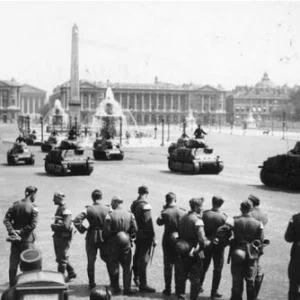
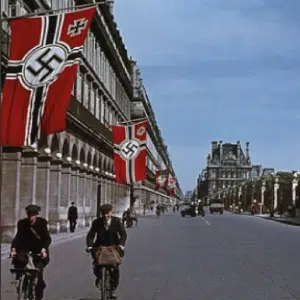
  • Amid disarray and chaos, the German army entered Paris on the 14th of June 1940. They will rule over Paris until the end of August 1944. Between grand and small history, the tour takes you to see the main buildings where the German invaders settled and ruled for four long years. Lives, actions and fates of a few unknown people living through this period will also be told along the way, between Occupation, Resistance, Collaboration, Deportation and Liberation.
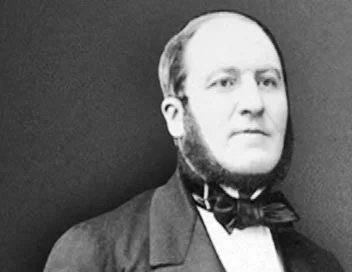
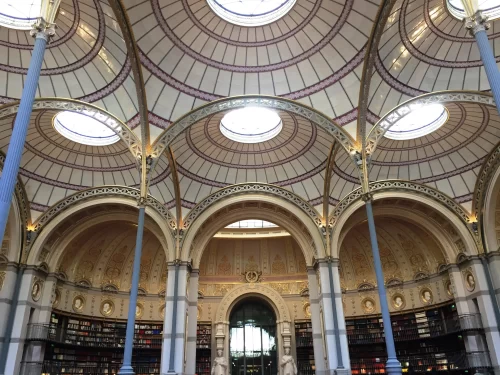
  • This seminar will go in depth over the work of Haussmann and urban planning in Paris over two centuries. The tour expands from the Palais royal to the Opera via “Grands Boulevards” and haussmannian avenues to witness the amazing 19th century changes in the city. Included: visit of the Opera, Galeries Lafayette department store terrace and cupola, a major bank headquarter and the most fascinating hidden ballroom in Paris. Note that the ticket's entrance to the Opera is not included and can be pre-purchased.
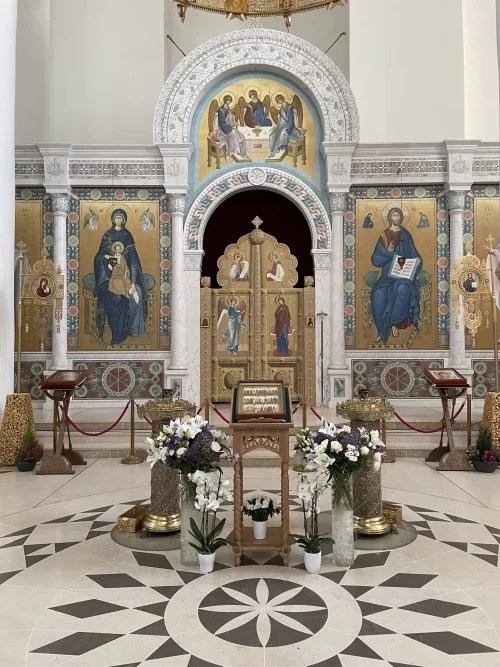
  • With the Russian Paris tour you will discover Russian culture throughout its history, all around the French capital, and above all religious institutions, well known and sometimes hidden, one of which containing two trees growing inside!

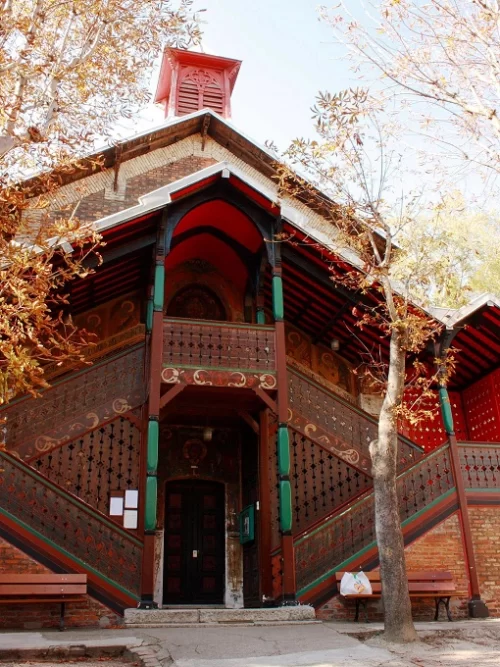
    You'll get to see amazing nineteen century typical wooden Russian houses in a back alley usually closed to the public and learn about the lives in Paris of famous Russian representatives, such as Turgenev, Bunin, Pushkin or Chagall as well as a rather more contemporary Russian presence, through nightlife and gastronomy. Tour also available with a private VIP car.

  • This is an enchanting tour in the Montparnasse area. Even if today, the neighborhood is more well known for a huge commercial centre, train station and its emblematic 1970's tower, Montparnasse is filled with back alleys, amazing stories, artists homes and workshops as well as a vibrant day and night life especially embodied with the famous great brasseries that made the area famous around the world in the first half of the twentieth century.
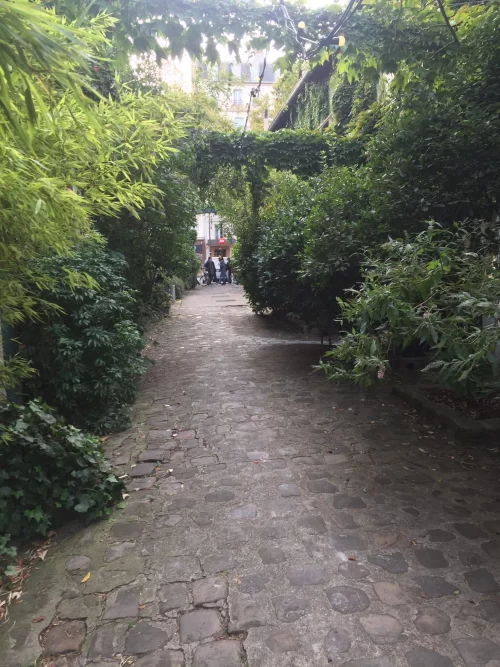
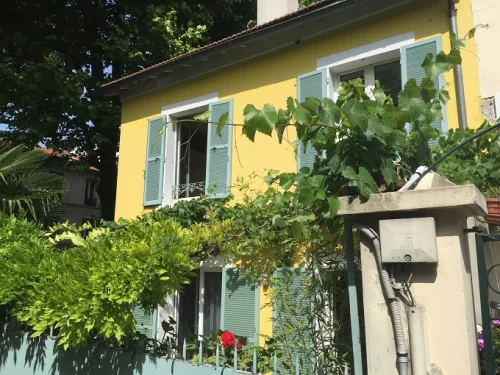
  • This walk will uncover a unique place: a small village bordered only with Parisian villas, pedestrian and paved walkways bordered by pretty houses. The whole area surrounded by parks and small gardens. The tour will also take you in one of the last Parisian village, little known to Parisian and hidden in the 19th arrondissement. Nearby, the park of the Buttes Chaumont, created in the 19th century, is considered as the most charming and typically Parisian of all the capital's parks.
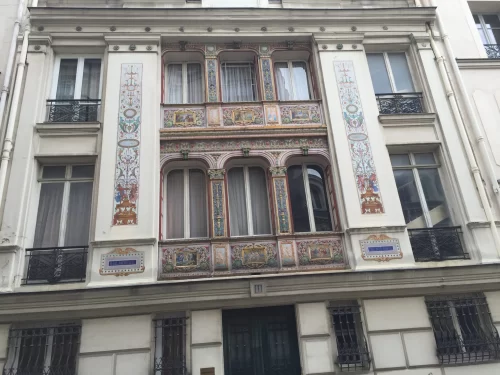
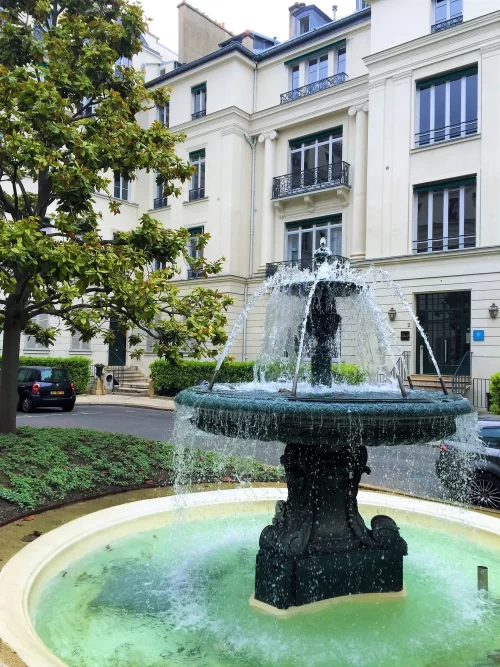
  • Discover the luxurious mansions of the Plaine Monceau. This popular area of the city gives you an impression of being in a Parisian village. In the second half of the 19th century, wealthy people settled in the Monceau district, building beautiful mansions near its picturesque park. We will approach several, uncovering hidden and magnificent courtyards, detail the park and finish with a very unusual street favored by up and coming 19th century artists.
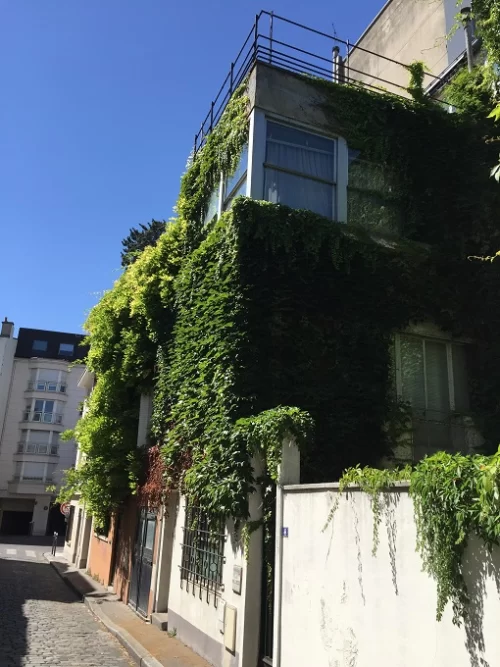
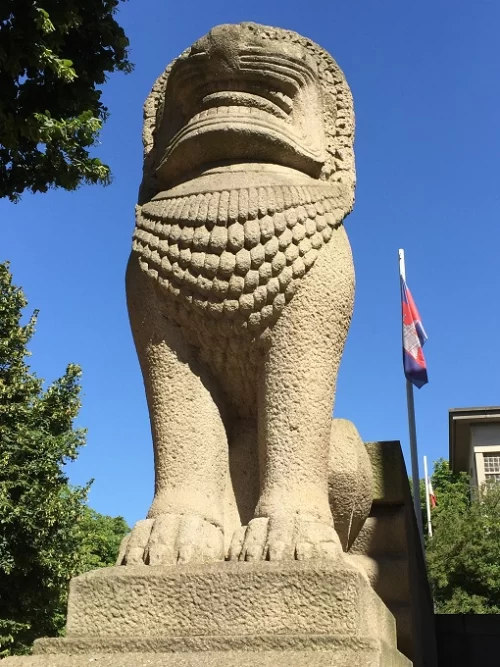
  • Around the Montsouris park, there are several charming and bucolic streets that celebrities of the 1920s, after leaving Montparnasse, made their home. The architectural style of these houses is worth a look and corresponds to the technical and artistic criteria of a very precise movement. In the immediate vicinity, lies the imposing Cité Internationale Universitaire, made famous by its ideals, wide green spaces, student residents from around the world, and also renowned architects who worked on several of the buildings.
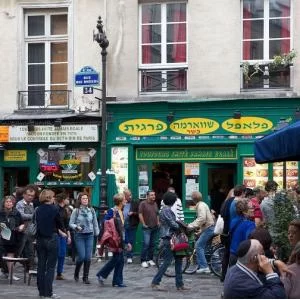
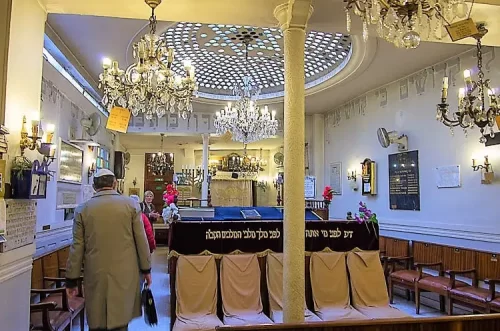
  • The historic Jewish quarter is found in the charming preserved district of the Marais especially around the rue des Rosiers. The walk brings to life the fascinating history of the Jewish population that has lived in France for more than 2000 years. In between persecutions and forced exiles, there have been periods that have consecrated the Jewish community as one of the most important and active in culture, politics, and business. The tour presents places that often go unrecognized, from large synagogues to small hidden oratories, private mansions, typical streets and, of course, places of remembrance, followed by a reflection on the current status of the French Jewish community.
  • Come and explore this unknown neighborhood of Paris, hidden between the Opera and Montmartre. From famous 19th century artists' mansions to small museums dedicated to romantic or symbolic painters, follow the path of vibrant artists such as Chopin or Delacroix. Discover hidden alleys, artists hideouts and amazing stories linked to this little known district. Two  intiliate and beautiful Museums on option: the painter Gustave Moreau's house-atelier and the musée de la vie romantique (Romantic life Museum)
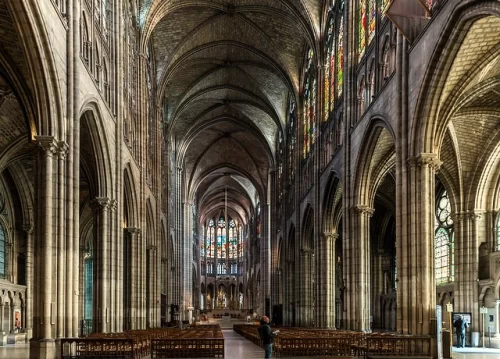
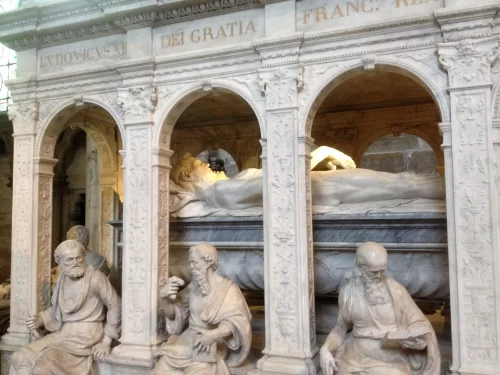
  • The tour begins at Saint Denis, where we will visit the sprawling, lively market. The stalls lead to the pedestrian street, the town’s central artery. At the end of this road, a large open square offers a fantastic view of the majestic Basilica. The visit includes the tombs of the kings and queens of France, the crypt and its treasures, and the central part of the cathedral. You will also have the opportunity to admire other remarkable features of the town, like former buildings of the Saint Denis Abbey, the former Carmel monastery, and the pretty Légion d’honneur park. The walk ends near the metro and tram stops in the newer area of Saint Denis.
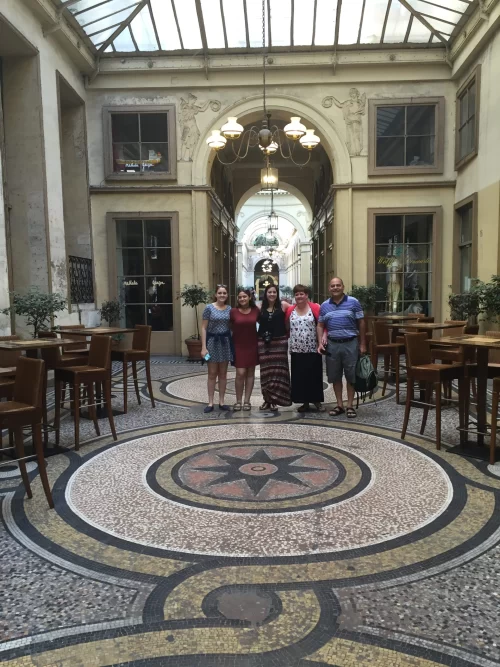
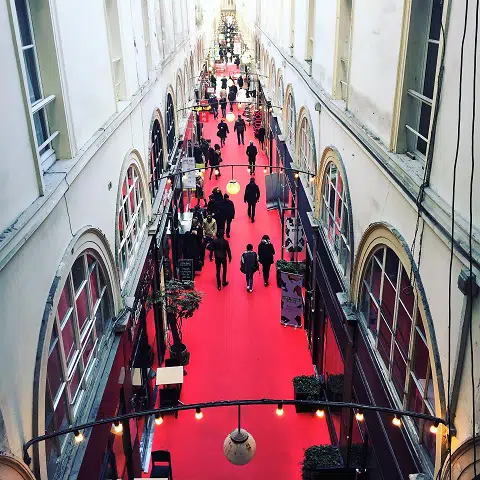
  • Strolling under the beautiful glass walkways of Paris. From the Palais Royal pleasures galleries to the performances of the Grands Boulevards, discover the vibrant life of the city in the nineteenth century between elegance, roguery and marketing. The walk will explore the most well-known and beautiful passages of the right bank from North to south, strolling casually through houses, sneaking quietly from one street to another, the transition is definitely a Parisian invention.
Go to Top